


Pipeline connection reliability directly determines the stable operation of hydraulic, petroleum, chemical, and mechanical transmission systems. Many engineering teams only focus on surface pressure resistance and appearance specifications when purchasing pipe connectors, while overlooking material stability, sealing aging resistance, and long-term corrosion tolerance. These invisible hidden dangers often cause leakage, fracture, pressure loss, and frequent maintenance failures after long-term operation. Choosing qualified and professionally manufactured stainless steel precision pipe fittings can fundamentally avoid repeated pipeline faults and greatly reduce later operation and maintenance costs.
Most low-quality pipe fittings on the market use impure raw materials and rough processing technology. They seem to meet nominal pressure standards in short-term testing, but rapidly degrade performance under high temperature, low temperature, humid corrosion, and frequent pressure fluctuations. Wall thickness deviation, uneven internal smoothness, and inaccurate thread matching will accelerate gasket wear and medium leakage. Long-term hidden corrosion inside the pipeline will also expand pipeline gaps, triggering unpredictable safety accidents during continuous operation.
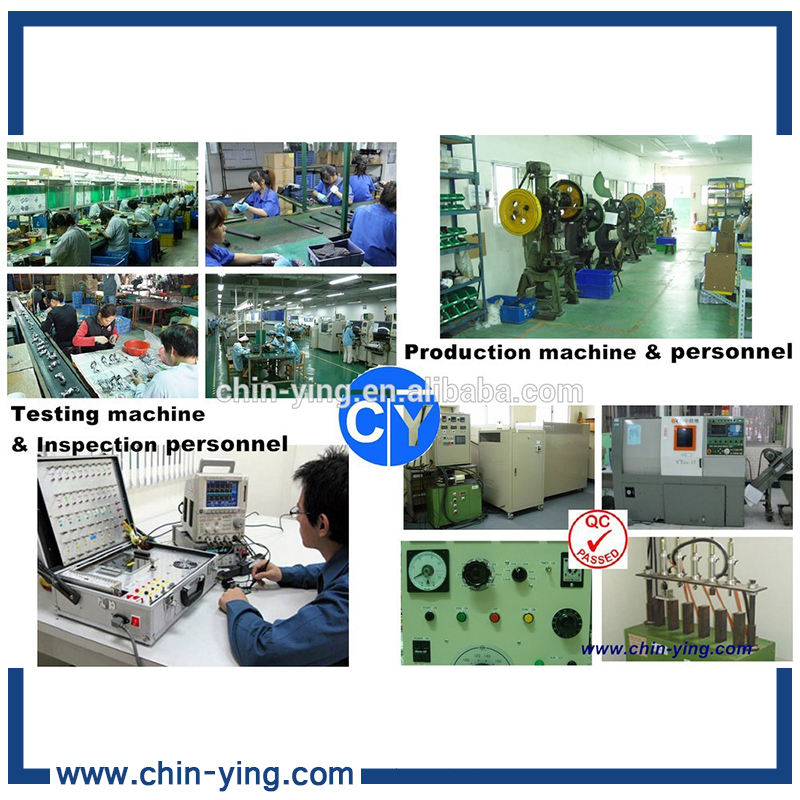
Chinying Industrial specializes in customized production and precision processing of stainless steel pipeline accessories, adhering to strict industrial-grade material selection and whole-process dimensional testing. Every finished fitting undergoes pressure resistance testing, corrosion resistance verification, and sealing performance inspection before leaving the factory. Compared with ordinary cast pipe parts, machined precision fittings have tighter structural fit, higher compressive strength, and far longer service life in harsh industrial environments.
Users frequently encounter practical troubles such as loose connections, easy leakage at joints, poor compatibility with pipeline systems, and short replacement cycles. The core root cause is not improper installation, but mismatched material grades, insufficient precision tolerance, and unstandardized sealing structure design. Ordinary pipe fittings cannot adapt alternating high and low pressure, acid-base medium erosion, and outdoor wind and rain aging, resulting in frequent shutdown maintenance and unnecessary economic losses for enterprises.
Reasonable selection of stainless steel pipe fittings needs to comprehensively consider working medium characteristics, ambient temperature, pipeline pressure level, connection mode, and service scenario. Blindly pursuing low prices will lead to frequent failures, while excessive selection of specifications will cause unnecessary cost waste. Professional matching schemes can balance safety, durability, economy, and system matching performance, ensuring stable pipeline operation for years without major faults.
Performance Comparison Of Ordinary Pipe Fittings & High-Precision Stainless Steel Pipe Fittings
| Performance Indicator | Ordinary Carbon Steel & Low-Grade Stainless Steel Fittings | Premium Precision Stainless Steel Pipe Fittings |
|---|---|---|
| Corrosion Resistance | Poor, easy rust and oxidation in humid & chemical environment | Excellent, resistant to acid, alkali, moisture and atmospheric corrosion |
| Pressure Bearing Stability | Large fluctuation, easy deformation under high pressure | Stable and uniform, withstand long-term high-frequency pressure impact |
| Connection Sealing Effect | Loose easily, frequent medium leakage | High-precision matching, zero leakage for long-term operation |
| Surface & Inner Smoothness | Rough, cause fluid resistance and medium residue | Smooth inner wall, low flow resistance, no accumulated impurities |
| Service Life | 6–12 months under harsh conditions | 3–10 years stable service |
| Dimensional Tolerance | Large deviation, poor system compatibility | Ultra-small tolerance, fully matching mainstream pipeline standards |
Hidden pipeline problems are far more concealed than most engineers realize. Internal wall scaling, micro-cracks at joints, thread fatigue damage, and gradual sealing attenuation will not show obvious abnormalities in daily inspection. Once sudden pressure changes or environmental temperature changes occur, minor hidden dangers quickly evolve into serious pipeline accidents. Precision stainless steel pipe fittings effectively suppress these micro-damages through dense material structure and precise molding process, lowering overall system failure rate significantly.
Different industrial application scenarios put forward differentiated strict requirements for pipe fittings. Petroleum transmission pipelines require ultra-high pressure resistance and anti-sulfur corrosion; chemical pipelines demand strong chemical medium resistance; hydraulic mechanical pipelines need ultra-high matching precision and anti-vibration loosening performance; water supply and environmental protection pipelines focus on non-pollution and long-term rust prevention. Universal cheap fittings cannot adapt all complex working conditions, leading to targeted safety risks in special environments.
Standardized production and strict quality control are the fundamental guarantee of pipe fitting safety. Unqualified products cut corners in material ratio, heat treatment process, and finish processing, resulting in insufficient structural strength and unstable mechanical properties. Even if installed correctly, they will age rapidly and damage supporting pipelines and valves. Professional industrial pipe fittings follow national and international industrial standards, with complete parameter indicators and traceable quality data.
Long-term use cost of pipeline accessories cannot be calculated only by unit purchase price. Low-price fittings require frequent replacement, repeated construction maintenance, production shutdown losses, and potential safety compensation risks. High-precision stainless steel pipe fittings reduce maintenance frequency, extend overall pipeline service cycle, and bring obvious comprehensive economic benefits for long-term continuous operation enterprises.
In summary, selecting suitable precision stainless steel pipe fittings is not a simple procurement choice, but a key link related to engineering safety, operation efficiency and enterprise cost control. Clarifying deep hidden dangers of pipeline connections, distinguishing material quality differences, and matching professional supporting products can avoid most unnecessary pipeline faults and build stable, safe and long-service-life industrial pipeline systems.